AG LIFE
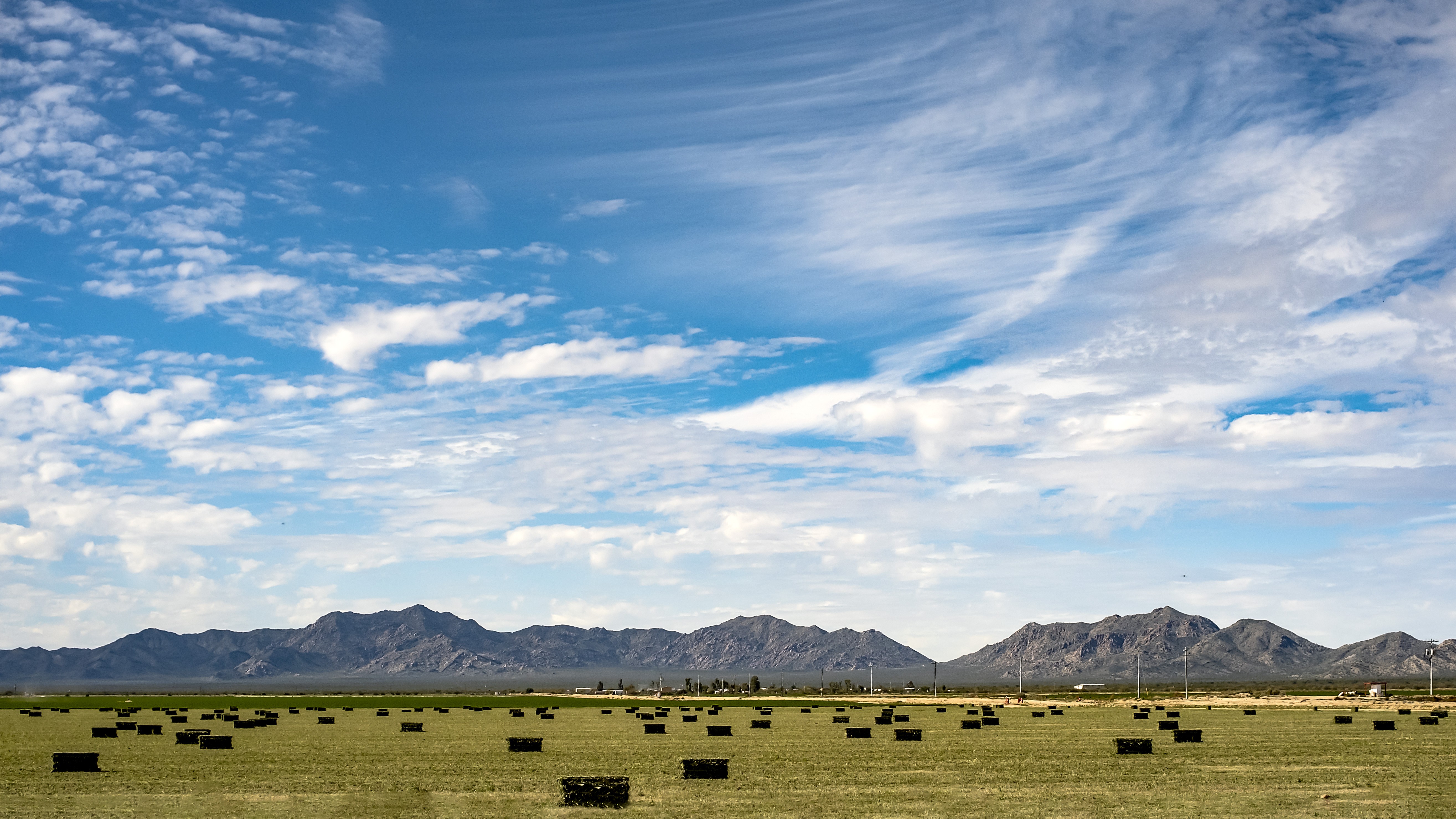
THEN. Since the 1950s, our community has centered on agriculture, building strong bonds among neighbors. Pecans, melons, and cotton were the main crops, with farmers relying on family and outside help for fieldwork. These dedicated individuals greatly contributed to our economy and shaped our beloved landscape. However, over time, the rise of water intensive alfalfa corporate farms changed our farming practices and challenged our traditions, weakening the personal connections we once treasured.

Wam TO THE RESCUE
NOW. Water Asset Management, the private water hedge fund, now owns the 13,000 acres of farmland and promises to decrease the volume of water that was once used for alfalfa cultivation, shifting towards less water-intensive crops. They have initiated this change, but it seems primarily designed to directly benefit the sale and transport of our water resources rather than focusing on managing the water supply to ensure our community can sustainably exist for generations to come. They tout a promise of 100 years of water availability for residents who are dependent on water systems, neglecting those 800-plus families that obtain their water from wells and are left out of this equation. This raises critical questions about the future of our water supply: Why is the depletion of our aquifer being positioned as the only viable option? Why is there a reluctance to explore and implement sustainable agricultural and water management practices that could help us maintain our homes and livelihoods? The reality is that 100 years is not an adequate solution for a community that requires a long-term vision and commitment to sustainability; we need a proactive approach that prioritizes enduring ecological balance over short-term financial gain.
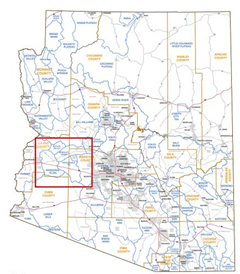
Where is McMullen Valley?